As an Amazon Associate, we earn from qualifying purchases. Some links may be affiliate links at no extra cost to you. Although our opinions are based on curated research, we haven't used these products. Articles generated with AI.

What Are Clean Label Preservatives?

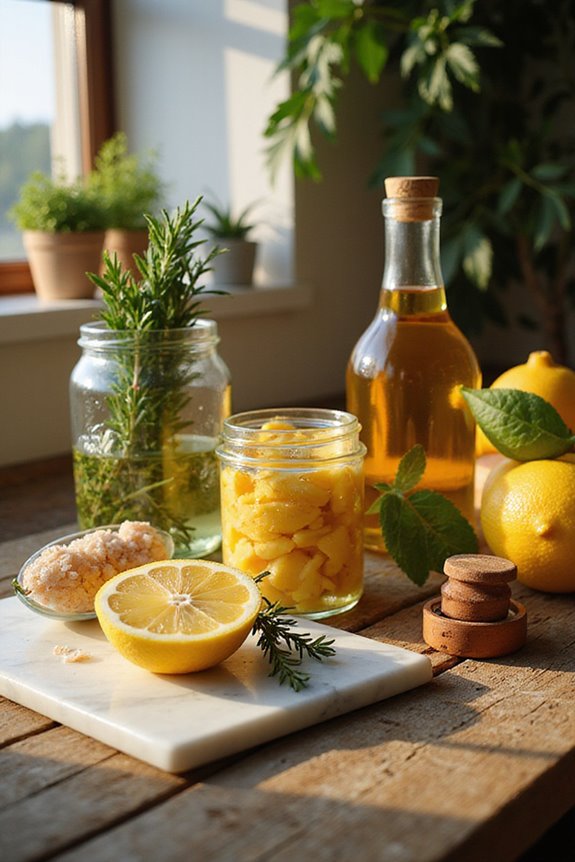
Clean label preservatives are naturally derived ingredients, such as citric acid from citrus fruits and honey, that enhance food safety and prolong shelf life, addressing consumer demands for transparency and recognizable components. These preservatives adhere to principles of minimal processing, ethical sourcing, and full ingredient disclosure, while replacing synthetic alternatives. Challenges persist, including cost considerations and regulatory compliance, but their use is growing in industry formulations. If you’re interested, additional insights on the topic await.
Key Takeaways
- Clean label preservatives are naturally derived ingredients that enhance food safety and extend shelf life without artificial additives.
- Common examples include citrus acids, herbal extracts, and natural sweeteners, which also maintain food taste and quality.
- These preservatives reflect consumer preferences for transparency, ethical sourcing, and minimal processing in food products.
- Challenges include higher costs, ingredient sourcing variability, and regulatory compliance for clear labeling.
- Consumer trust can be strengthened with certifications like the Clean Label Project, indicating adherence to clean label principles.
Definition of Clean Label Preservatives
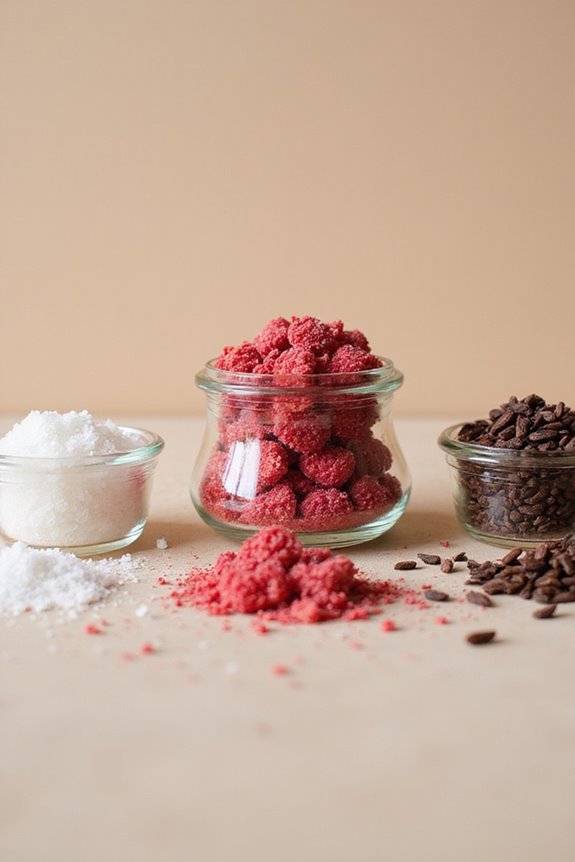
Clean label preservatives, which encompass a broad spectrum of naturally derived substances sourced from plants, animals, or microorganisms, serve an essential role in maintaining food safety and extending shelf life without the use of synthetic chemicals. These preservatives align with consumer demand for transparent, easily recognizable ingredients, reflecting natural origins while offering health benefits. For example, rosemary extract and vinegar not only act as preservatives but also impart flavor, thereby enhancing product appeal. Although there’s no standardized legal definition, clean label preservatives consistently advocate for the removal of artificial additives, facilitating the production of healthier options. Ultimately, they provide a critical bridge, allowing manufacturers to meet consumer preferences while ensuring food quality and safety remains uncompromised.
Principles Behind Clean Label Products
Understanding the principles behind clean label products is essential in today’s marketplace, where consumers increasingly seek transparency and simplicity in their food choices. These principles encompass the exclusion of artificial additives, minimal processing to preserve the nutritional integrity of food, and ingredient sourcing that prioritizes ethical and sustainable practices. Consumers demand honest labeling, requiring full disclosure of intentionally added substances while avoiding misleading terms. Additionally, clean labels address a growing health consciousness by minimizing chemical additives and utilizing simple, recognizable components. As we emphasize consumer education, it becomes evident that clear communication regarding ingredient sourcing and production methods is critical, hence fostering informed purchasing decisions that align with values concerning health and sustainability.
Recommended Products

CERTIFIED ORGANIC & TRACEABLE – Made from USDA Organic yellow peas grown in North America and processed in the USA.

Small Wild Halves, Deep Flavor - Wild Texas native pecans are naturally small with a rich, deep flavor. Note: if you prefer the larger commercially grown pecans, these may not be for you.

⭐ Well-Known Classical Black Caviar Taste – The most popular choice among European connoisseurs, our Russian Caviar is celebrated for its exquisitely rich creamy and nutty flavor that embodies tradition and luxury. Available in four convenient sizes: 30g, 50g, 100g, and 250g, it is perfect for both personal enjoyment and sophisticated gatherings, offering a true taste of gourmet excellence. It's a true taste of history.
Common Natural Preservatives Used
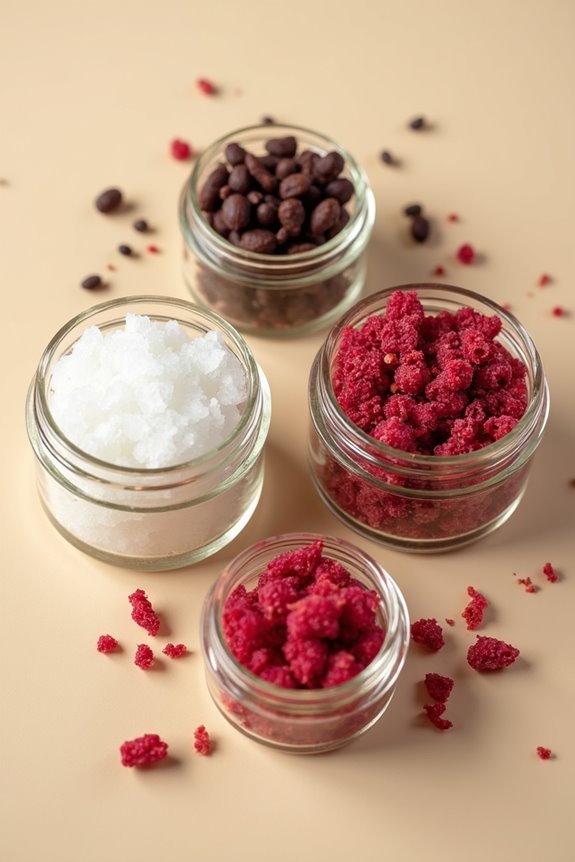
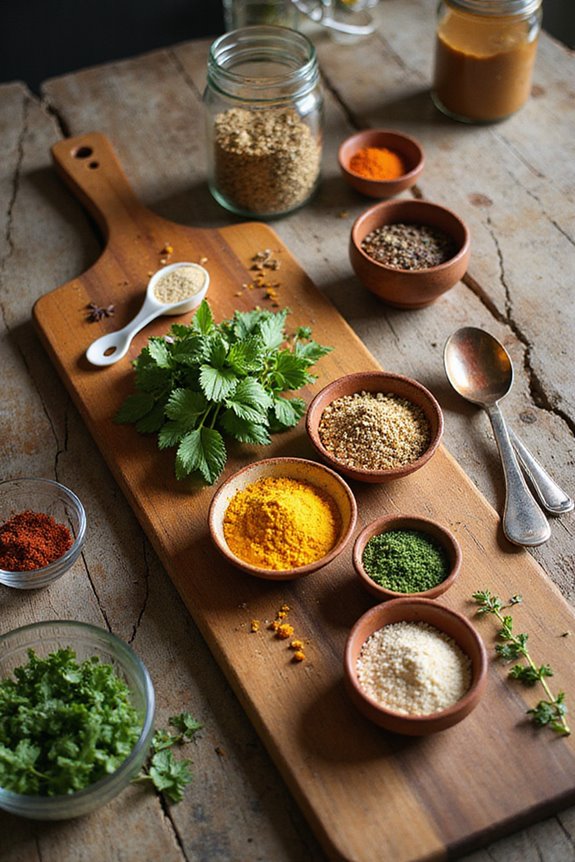
Natural preservatives play a pivotal role in extending the shelf life and maintaining the safety of food products, which is increasingly important as consumer preferences shift toward health-conscious and minimally processed options. Common natural preservatives include citrus acids, such as citric and ascorbic acid, which function as antimicrobial agents and antioxidants, effectively inhibiting microbial growth and oxidation in fruit-based and dairy products. Additionally, natural sweeteners like honey and maple syrup utilize sugar effects to reduce water activity, thereby limiting spoilage. Herbal extracts and essential oils, derived from rosemary and thyme, disrupt microbial functions while imparting flavor, and salt preservation techniques, including brining and fermentation processes, further enhance food safety. Together, these clean labeling alternatives maintain both longevity and safety in food products.
Recommended Products

SINGLE-INGREDIENT SWEETENER: Concentrated monk fruit extract delivers powerful sweetness so a small measure flavors many recipes, helping a single package last through extended use. The powdered format blends easily into beverages and batters for cooking and baking

Egg Cellent Protein Source: Each package contains the equivalent of 105 whole eggs. Mix 2 tablespoons of whole dried eggs with 2 1/2 tablespoons of water to recreate 1 fresh egg, perfect for a baking powder recipe.

AMAZING ANTIOXIDANT BENEFITS - Cacao contains one of the highest levels of antioxidants.
Functional Roles of Clean Label Ingredients
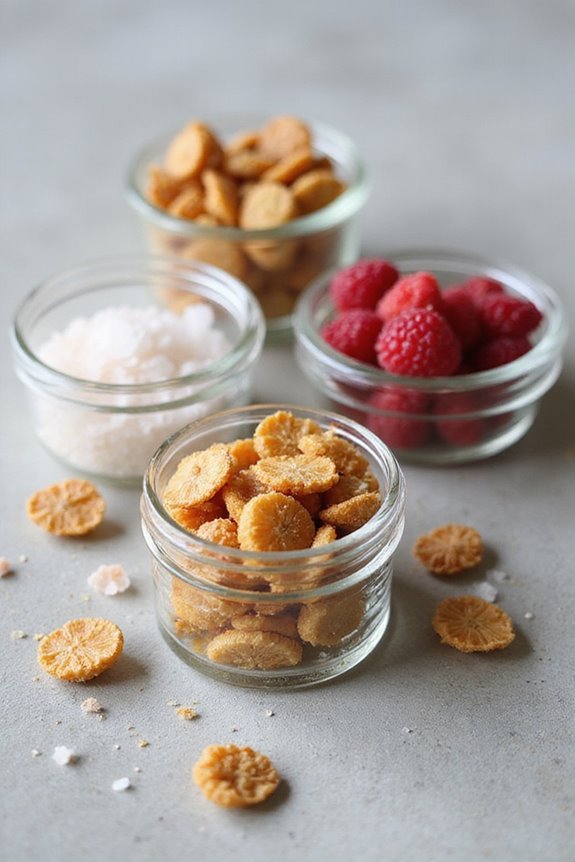
While we navigate the evolving landscape of food production, the functional roles of clean label ingredients become increasingly critical in ensuring that products not only meet consumer demands but also adhere to stringent safety and quality standards. These ingredients greatly enhance functional performance by maintaining taste, texture, and overall product quality during processing and throughout shelf life. Natural emulsifiers and stabilizers may replace synthetic options, ensuring consistency while also preserving nutritional integrity. In addition, the integration of clean label preservatives not only addresses spoilage through natural antioxidants and antimicrobials but also highlights cost efficiency, as they often present cost-effective alternatives to traditional ingredients. Hence, leveraging clean label components can optimize product formulation, streamline sourcing, and improve overall operational efficiencies within the industry.
Recommended Products
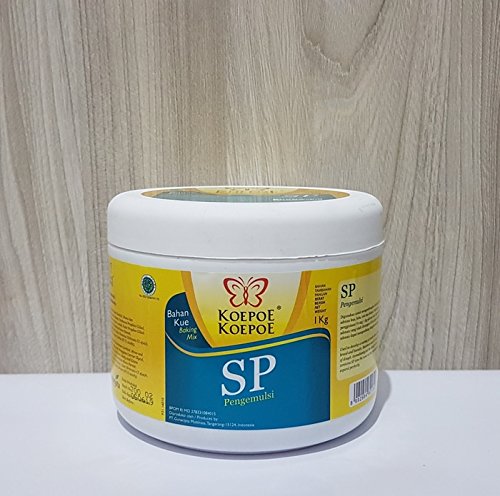
Product of Indonesia

Earthborn Elements Gum Arabic is also known as Acacia Fiber

Hazelnut Chocolate Belgian Chocolate Thins
Industry and Certification Context
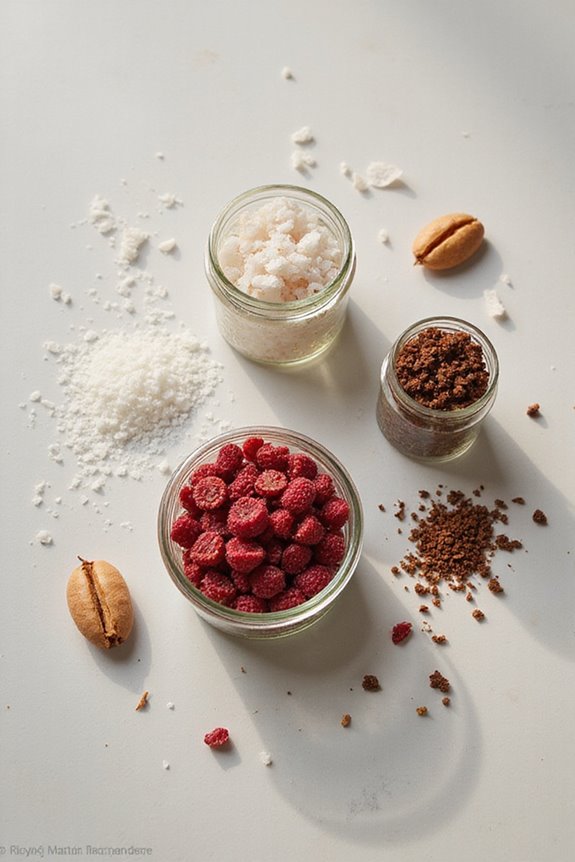
As the demand for transparency in food labeling intensifies, the certification landscape surrounding clean label products has evolved considerably, emphasizing the importance of independent verification in assuring consumers of product purity and safety. Organizations like the Clean Label Project play a critical role, implementing rigorous testing protocols that assess heavy metals, pesticides, and plasticizers, ensuring compliance with industry standards and California’s Proposition 65. This certification not only provides consumers immense clarity on ingredient safety but also encourages brands to adopt higher industry standards and minimize harmful chemical residues in their offerings. In addition, the ongoing compliance checks, including unannounced testing, reinforce the certification importance, cultivating trust within the marketplace and supporting consumer demand for safer, minimally processed foods free from controversial additives.
Preservation Mechanisms in Clean Label Products
With the rise of consumer demand for products labeled as clean, understanding the preservation mechanisms employed in these offerings becomes imperative for both manufacturers and consumers. We utilize pH adjustment methods, employing organic acids like citric and lactic acids to create an inhospitable environment for microbial growth. By implementing enzyme inhibition strategies, such as natural antimicrobials (e.g., plant-derived essential oils), we effectively disrupt microbial membrane integrity and slow spoilage. Antioxidant mechanisms, utilizing compounds such as tocopherols, prevent oxidative degradation, preserving flavor and texture. Additionally, fermentation benefits, derived from probiotic cultures, enhance food safety through antimicrobial peptide production. Combining these approaches results in a cohesive clean label strategy, aligning with consumer preferences for transparency and natural preservation methods.
Challenges Faced in Clean Label Preservation
Maneuvering the challenges faced in clean label preservation necessitates a multifaceted understanding of several interrelated factors that can hinder successful product development. We grapple with cost implications, as natural preservatives often carry higher prices compared to synthetic options, impacting overall production expenses. Sourcing challenges arise from ingredient variability and sustainable sourcing requirements, which may lead to inconsistent availability and delayed timelines. Consumer expectations complicate formulation complexities; maintaining sensory properties while ensuring effective preservation proves difficult. Market dynamics further intensify these issues, as inconsistent regulatory standards necessitate extensive documentation to comply, potentially elevating risk and consumer mistrust. Ultimately, achieving successful clean label preservation requires an intricate balance of efficacy, cost, and market demands, alongside rigorous scientific and operational adjustments.
Recommended Products

TASTE : Caviar TRADITION Collection - Premium Osetra Sturgeon Black Caviar has exquisitely rich creamy and nutty taste. It's perfect smooth taste & firm texture allows caviar to burst in your mouth by spreading rich nutty & creamy flavor. Caviar is harvested in traditional method by cutting fish, raw eggs only, non-pasteurized. Firm large to medium pearls may vary in color from dark to light grey or amber color have distinct pop that spreads mouthwatering rich nutty flavor.
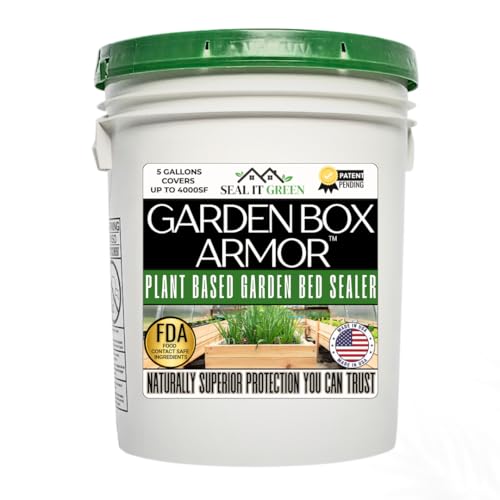
GARDEN BED WOOD SEALER - For Use On Cedar And All Wood Types Used In Raised Bed Gardens. Deep Penetrating, Natural Oils, Bond With Wood Fibers To Protect Wood For A Decade Or More.

🔥 Irresistible Flavor: Experience the sweet and savory delight of bacon jerky; perfect for satisfying your cravings anytime. Exceptional pork for unmatched tenderness and rich flavor.
Trends in Natural Preservative Use
In light of the challenges surrounding clean label preservation, it’s pertinent to examine the burgeoning trends in natural preservative use, reflecting a significant shift in consumer preferences and regulatory landscapes. As the fastest-growing segment in the food preservatives market, natural preservatives are projected to expand at a compound annual growth rate of approximately 6.8% through 2032, driven largely by heightened health consciousness and the demand for safer, cleaner food options. Ingredient innovations, such as synergistic combinations of antimicrobial agents like vinegar and rosemary extract, further enhance preservation efficacy while aligning with sustainability trends. Additionally, the prioritization of ethically sourced, eco-friendly ingredients not only meets consumer expectations but also reduces the environmental impact of food production, fostering a clear trajectory toward more responsible food industry practices.
Recommended Products

One 4 oz. jar of Earth's Best Organic Stage 2 Banana and Mango Baby Food

You'll LOVE our Kesar Mango Pulp Puree Rani Brand--Here's Why:

NO GLUTEN FAMILY PACK PER BUCKET INCLUDES:- Pasta Primavera (3 x 6 servings), Classic Chili (2 x 10 servings), Sweet Habanero Chili with Pineapple (2 x 6 servings), Enchilada, Beans and Rice (2 x 6 servings), Italian Pasta w/Marinara Sauce (2 x 6 servings), Potato Casserole (2 x 6 servings), Cheddar Broccoli Soup (1 x 10 servings), Black Bean Soup (1 x 10 servings), Cheesy Potato Soup (1 x 10 servings), Oatmeal w/ Brown Sugar (1 x 10 servings).
Consumer Perception and Trust
How do consumers perceive the integrity of clean label products in an increasingly complex marketplace? Consumer trust hinges greatly on ingredient transparency; nearly three in four consumers reconsider purchases based solely on ingredient lists, which underscores the growing demand for clarity. Remarkably, about half of North American consumers prioritize honesty and simplicity when selecting food items, actively seeking brands that utilize easily recognizable ingredients. With a considerable 58% desiring clear sourcing information, trust in clean label products is further solidified by the presence of reputable certifications, such as those from the Clean Label Project. Additionally, younger demographics often associate clean label with natural claims, while older consumers focus on the absence of harmful additives, revealing a multifaceted understanding of product integrity across age groups.
Regulatory Considerations for Clean Label Products
While traversing the intricate landscape of clean label products, it’s essential to comprehend the regulatory considerations that come into play, especially since no official legal definition for “clean label” exists in major jurisdictions like the United States. To achieve regulatory compliance, food manufacturers must adhere to FDA guidelines that mandate truthful labeling, ensuring all intentionally added substances are disclosed without vague terms like “natural flavoring.” Additionally, labeling requirements necessitate explicit disclosure of preservatives, complicating creators’ goals of positioning a product as “clean.” Furthermore, claims must be substantiated by scientific evidence to mitigate the risk of deceptive advertising violations. Striking a balance between consumer expectations for transparency and stringent regulatory frameworks is critical for maintaining brand integrity in the marketplace.
Frequently Asked Questions
Are Clean Label Preservatives Safe for All Dietary Restrictions?
We believe clean label preservatives can be safe for various dietary restrictions, especially with ingredient transparency. Following dietary guidelines helps us choose preservatives that align with our personal health needs and allergen concerns effectively.
How Do Clean Label Preservatives Affect Food Taste and Texture?
Clean label preservatives can enhance taste while helping preserve texture. By using natural ingredients, we maintain authentic flavors and avoid artificial aftertastes, ensuring our food feels fresh and satisfies our texture preferences without compromising quality.
Can Clean Label Preservatives Be Used in Homemade Products?
Absolutely, we can use clean label preservatives in homemade applications! By sourcing quality ingredients like vinegar and essential oils, we enhance safety and freshness while keeping our recipes simple and natural for ideal flavor and nutrition.
What Are the Costs Associated With Clean Label Preservatives?
When considering cost considerations for clean label preservatives, we need effective pricing strategies. Higher ingredient sourcing costs, reformulation expenses, and enhanced packaging can influence overall pricing, yet consumer demand might justify these premium costs for quality.
How Can Consumers Identify Clean Label Products in Stores?
Exploring the grocery aisles is like treasure hunting for clean label products. We can spot them by examining packaging labels for ingredient transparency, looking for simple lists and clear claims that assure us of their authenticity.